Summer Attractions for Ski Resorts: How to Choose and Beat Seasonality
Destagionalising isn't about copying what others do. It's about matching the right attraction to your terrain, your existing infrastructure and the audience you can realistically draw.
The main summer attractions compared
Each solution behaves differently depending on gradient, available space, hourly throughput and the audience it attracts. The table below sets out the key differences to help you shortlist honestly.
| Attraction | Ideal gradient & space | Main audience | Works with existing lift? |
|---|---|---|---|
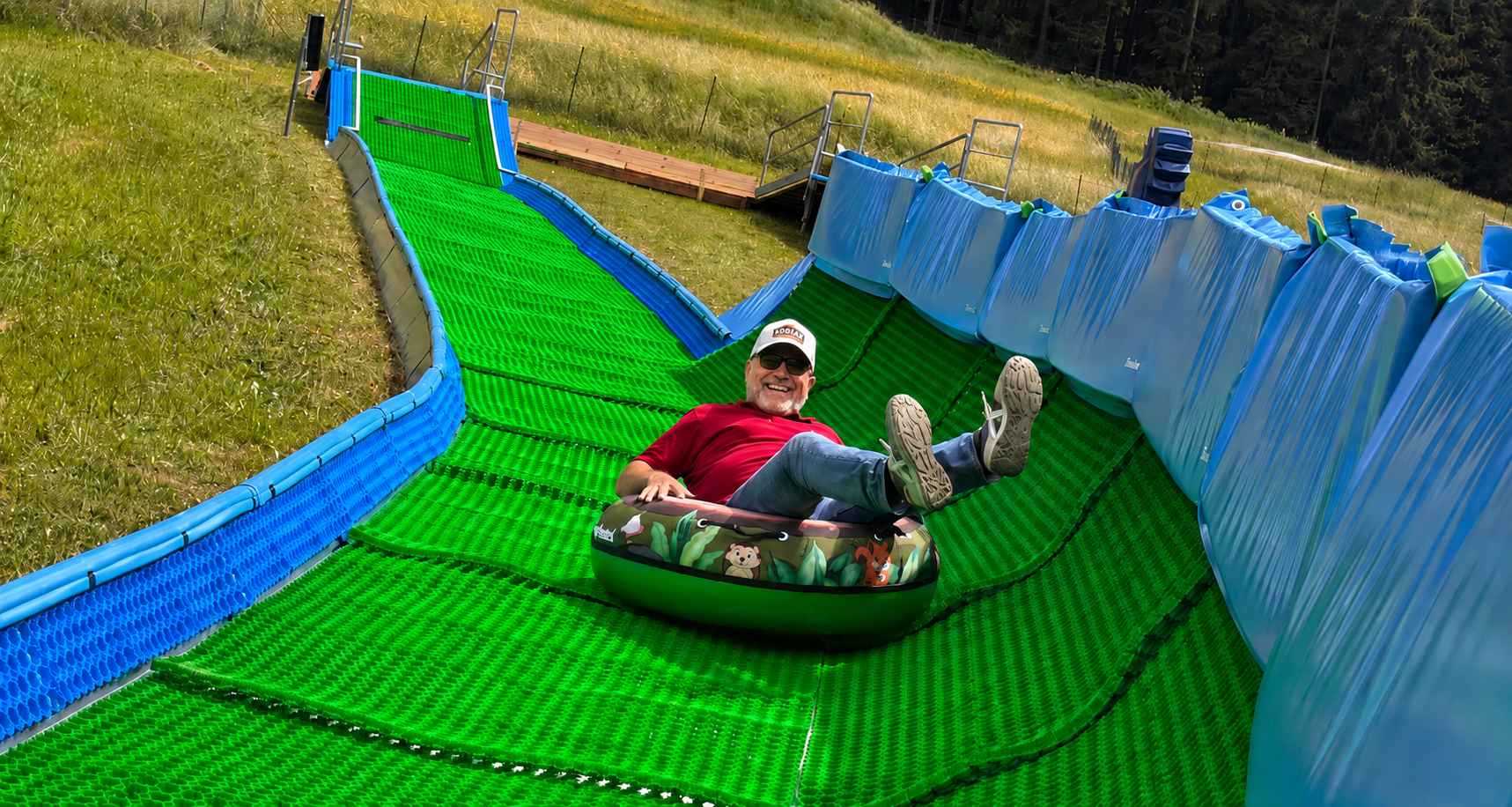
| Tubby snow tubing (summer use) | Gentle, wide lanes; moderate footprint | Families, groups, schools | Pairs well with an uphill conveyor belt |
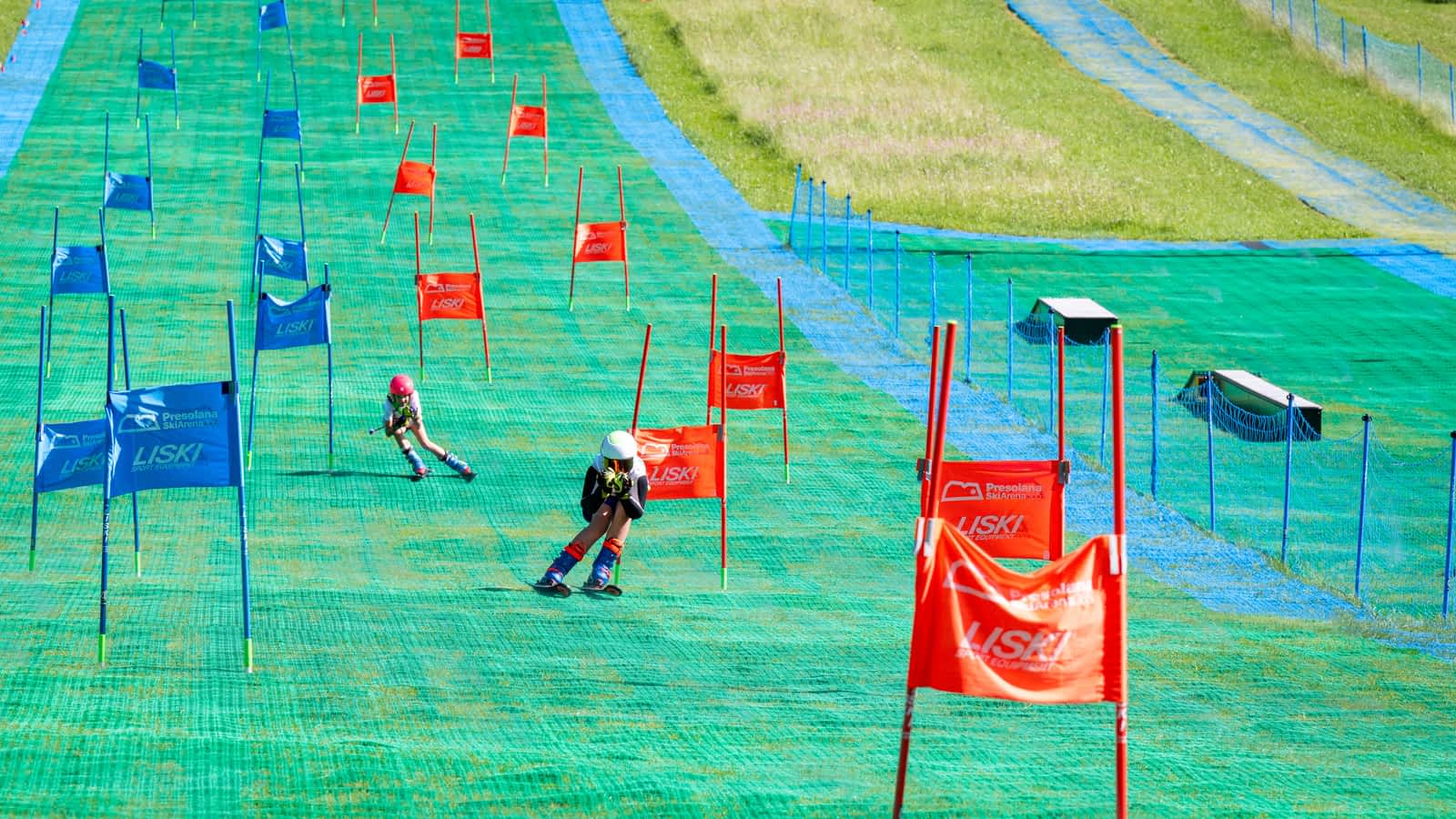
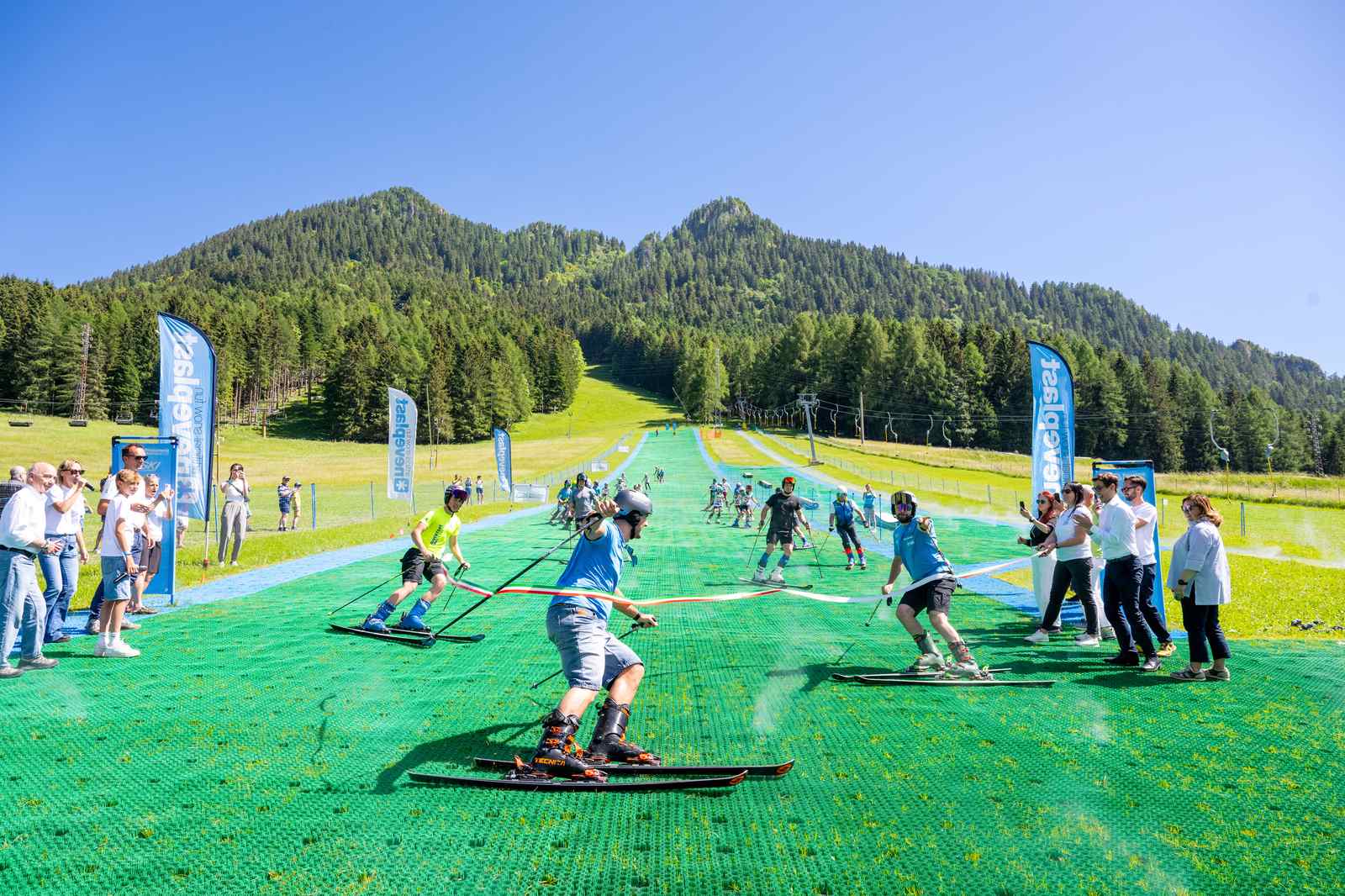
| Neveplast synthetic ski slopes | Variable gradient; longer run needed | Learners, day tourists, training groups | Strong fit with chairlift or gondola |
| Snow Drift Kart | Medium gradient; dedicated track area | Teens, adults, thrill-seekers | Benefits from existing uphill transport |
| Family routes | Low gradient; generous open space | Families, casual visitors | Flexible, often lift-independent |
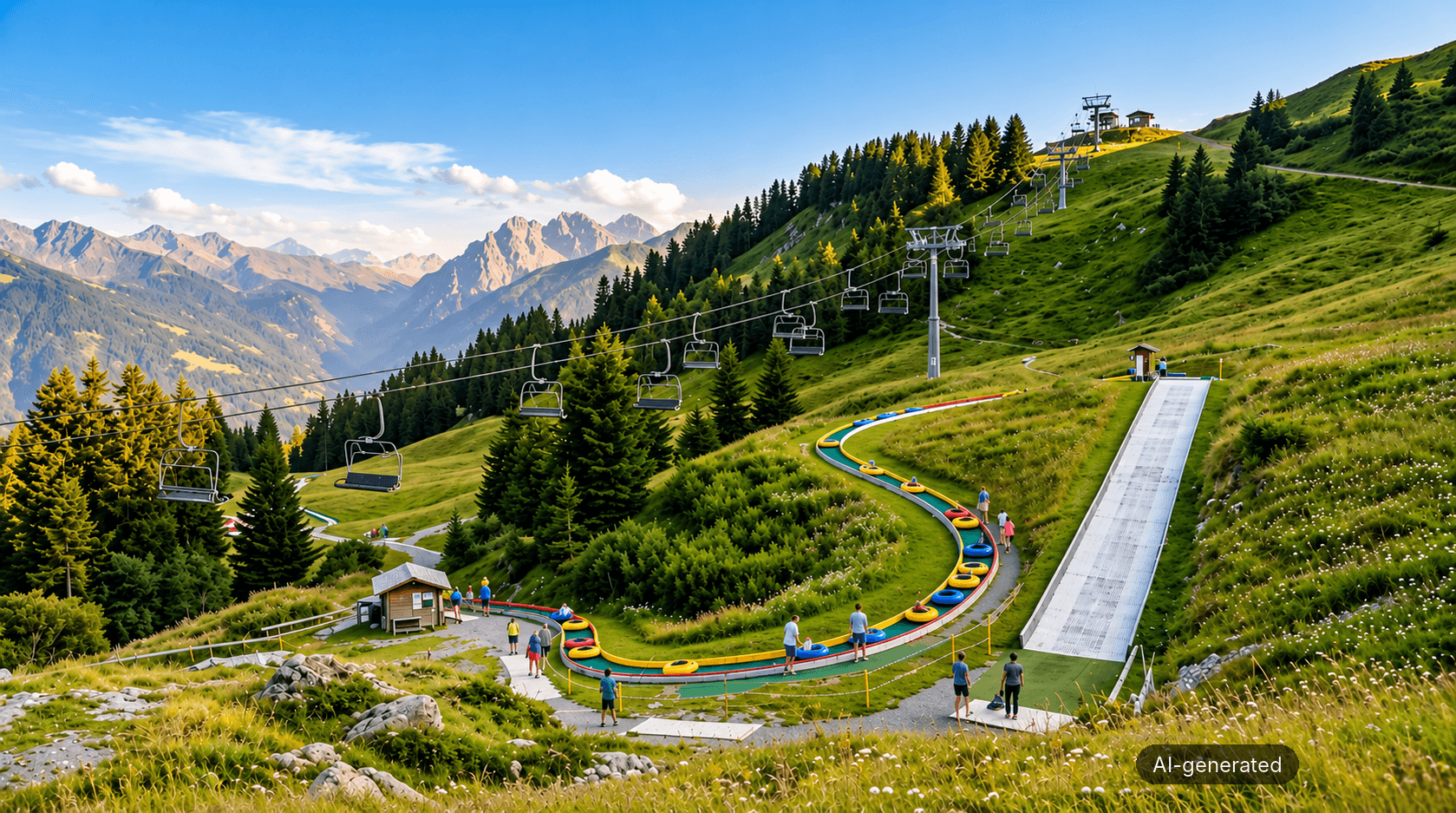
A chairlift or gondola already on site is a major asset: it lets you offer longer Neveplast synthetic ski slopes and repeat descents without visitors walking uphill. Where no lift serves the summer zone, a dedicated uphill conveyor belt keeps queues moving and makes gentler attractions like Tubby snow tubing viable.
Criteria to always keep in mind
- Uphill transport first: confirm whether your lift or a conveyor belt can feed the attraction before choosing it.
- Gradient match: each activity has a correct slope range — too flat kills the experience, too steep limits the audience.
- Available space: account not only for the run itself but for queuing, loading and run-out areas.
- Hourly throughput: estimate how many visitors you can cycle per hour and whether it matches demand.
- Target audience: families, school groups, day tourists and thrill-seekers all want different things.
- Staffing and seasonal maintenance: check how many operators each attraction needs and the upkeep the synthetic surface requires between seasons.
5 typical mistakes to avoid
- Underestimating uphill transport: a great descent fails if visitors have to climb back up on foot.
- Wrong gradient: installing an attraction on a slope outside its ideal range reduces safety and appeal.
- Unseparated flows: mixing ascending and descending visitors, or beginners and fast karts, creates bottlenecks and risk.
- No shade or facilities: summer visitors stay longer when there is shade, water, seating and toilets nearby.
- No queue management: without a clear loading system and signage, even a popular attraction feels chaotic.
How to integrate the attraction into your summer offer
A single attraction rarely fills a day. The strongest sites combine complementary experiences: a gentle family route alongside Tubby snow tubing, with Snow Drift Kart adding adrenaline for older visitors, all served by the same uphill conveyor belt or lift. Think in terms of visitor journey — arrival, activity, rest, food — and position attractions so that families, groups and schools each find a natural circuit. This layering extends dwell time and encourages repeat visits across the season.
Neveplast designs synthetic slopes and summer-use solutions tailored to each site's terrain and audience. For a layout matched to your gradient, space and existing infrastructure, request a bespoke feasibility assessment.