Is Dry Slope Skiing Safe? FAQ on Risks and Protection
Is dry slope skiing safe? Risks and protection in brief
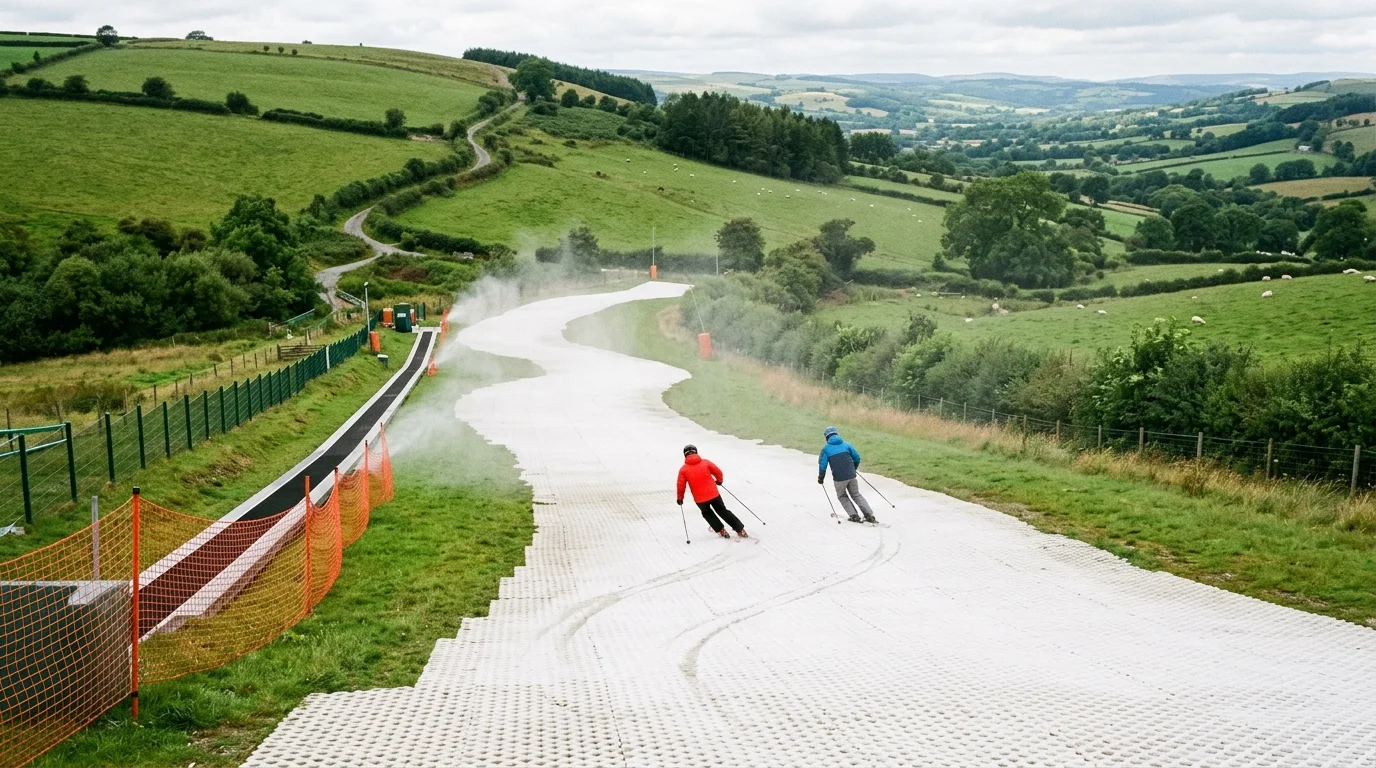
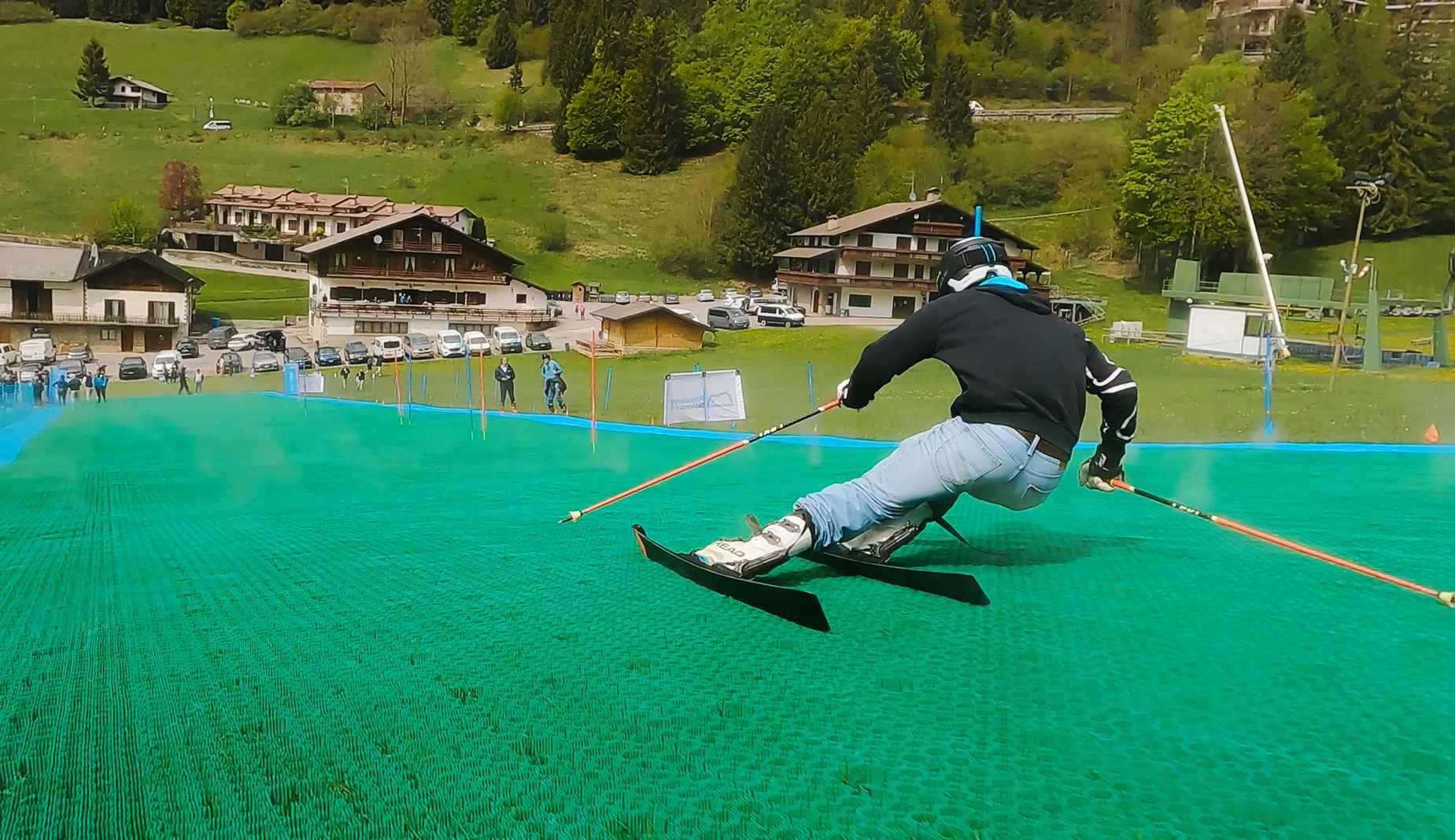
Synthetic ski slopes are designed and engineered for predictable, controlled sliding, making them a reliable training and leisure surface year-round. The short answer to is dry slope skiing safe is yes, provided the surface is correctly installed, irrigated and maintained, and users wear suitable gear. Below is a quick, extractable FAQ covering the most common concerns about risks, injuries and protection on synthetic ski slopes.
Do you get hurt more than on snow?
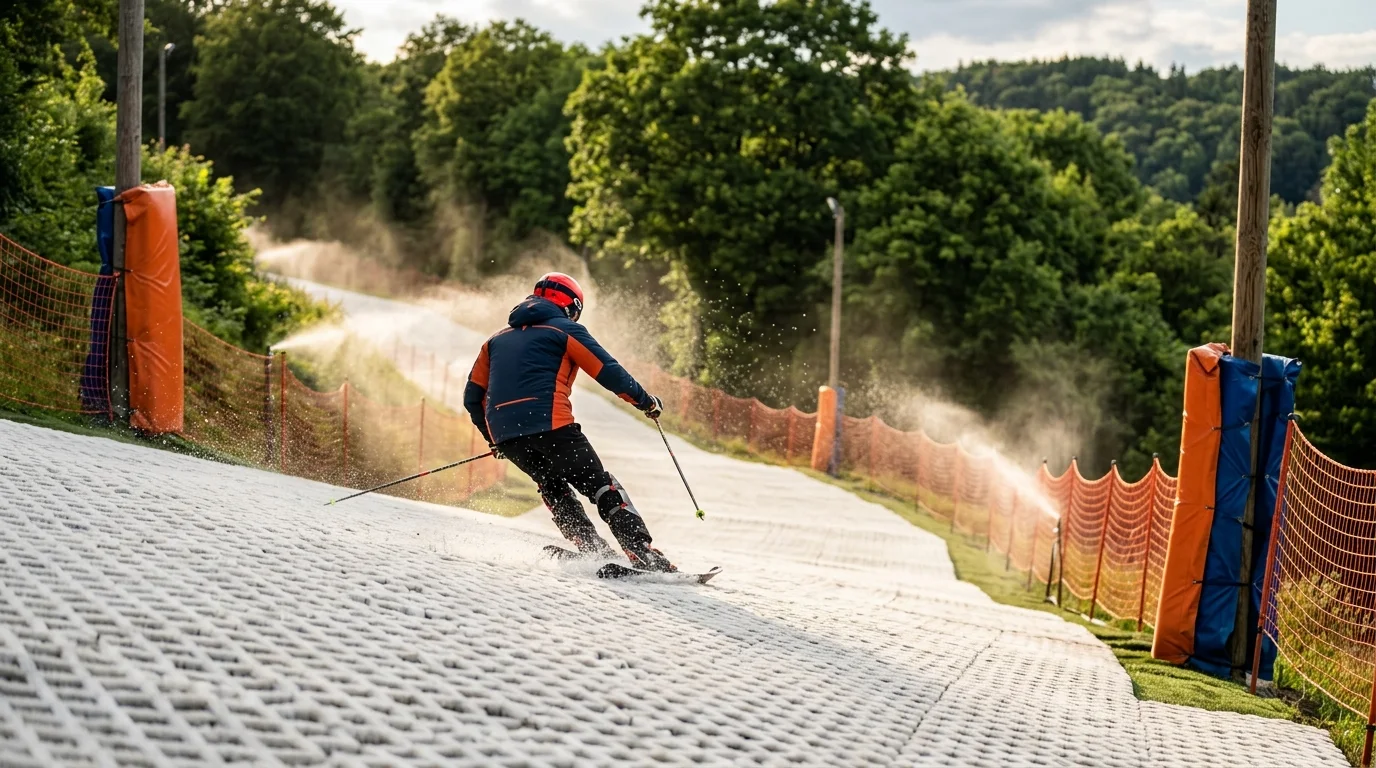
Not inherently. The injury profile differs: synthetic ski slopes produce fewer high-speed falls than open mountain runs because gradients and layouts are controlled. The main difference is surface texture, which can cause abrasions on exposed skin rather than the deeper cold-related issues of natural snow. With proper clothing and technique, overall risk is comparable and often more manageable.
What injuries are most frequent, and how are they prevented?
The most common issues are superficial abrasions and friction burns on hands, fingers and knees after a fall. Occasional sprains occur from incorrect edging. Prevention is straightforward: wear gloves and long sleeves, keep speed controlled, and learn to fall safely. Beginner areas such as a Skigarden reduce speed and simplify technique, limiting the chance of awkward slides.
Do you need gloves, a helmet or specific clothing?
Gloves are strongly recommended to protect hands during falls. A helmet is essential for all skiers and snowboarders. Wear long sleeves and long trousers to cover knees and elbows; avoid bare skin. Standard ski or sports clothing works well. Wrist guards and padded shorts add protection for snowboarders and younger users still building confidence.
How does grip change on wet versus dry matting?
Synthetic ski slopes are usually irrigated to optimise glide and reduce friction. A damp surface offers smoother, more consistent sliding and lower abrasion risk, while a fully dry mat increases friction and grip. Operators manage irrigation to keep performance stable, so users experience predictable grip regardless of weather.
Is synthetic suitable for children and beginners?
Yes. Controlled gradients, consistent grip and compact layouts make synthetic ski slopes ideal for first-timers. A dedicated beginner area lets children learn balance and basic turns at low speed. For pure fun without technique, Tubby snow tubing lets users slide safely down a lane in an inflatable ring, supervised and speed-controlled.
What role do irrigation, gradient, nets and crash mats play?
Each element contributes to safety. Irrigation controls friction and glide. Gradient is engineered to match the user level. Perimeter nets contain any loss of control, and padded crash mats protect edges, pylons and run-outs. Together they create a contained, forgiving environment where errors rarely lead to serious consequences.
How does the surface perform with cross-country skiing or snowboarding?
Synthetic ski slopes support alpine skiing, snowboarding and cross-country technique, with edging and carving behaviour close to snow. Snowboarders benefit from consistent grip for linked turns. For a simpler sliding experience, Skiddy offers a controlled descent device suited to casual users and younger visitors who are not yet skiing independently.
What periodic checks should operators make, and how often?
Operators should inspect daily, before opening, for lifted panels, worn mat sections and debris. Irrigation output and coverage should be verified at the same frequency. Nets, fixings and crash mats need weekly checks for tension and wear. A thorough structural inspection of the base, slope and perimeter is recommended seasonally or after heavy use.
Can the surface be used all year?
Yes. Synthetic ski slopes are built for continuous, all-season operation and do not depend on cold or snowfall. Consistent irrigation and routine maintenance keep performance uniform, which is one reason they are widely used for training, leisure and attractions.
Safety checklists
Checklist for operators
- Daily: inspect mat panels, fixings and run-outs; clear debris.
- Daily: confirm irrigation is working and evenly distributed.
- Weekly: check net tension, pylons and crash mat condition.
- Seasonally: full structural and sub-base inspection.
- Always: display clear user rules and ensure supervision in beginner and tubing areas.
Checklist for users
- Wear gloves, a helmet, long sleeves and long trousers.
- Cover all exposed skin to prevent abrasions.
- Control your speed and keep safe distances.
- Follow staff instructions and signage.
- Beginners should start in a Skigarden or try Tubby snow tubing.
For a slope configured to your space, user profile and intended use, request a tailored assessment from the Neveplast team.