Inside a 365-Day Ski Area: How a Synthetic Slope Skis All Summer
A 365-day ski area: what it is and how summer skiing works
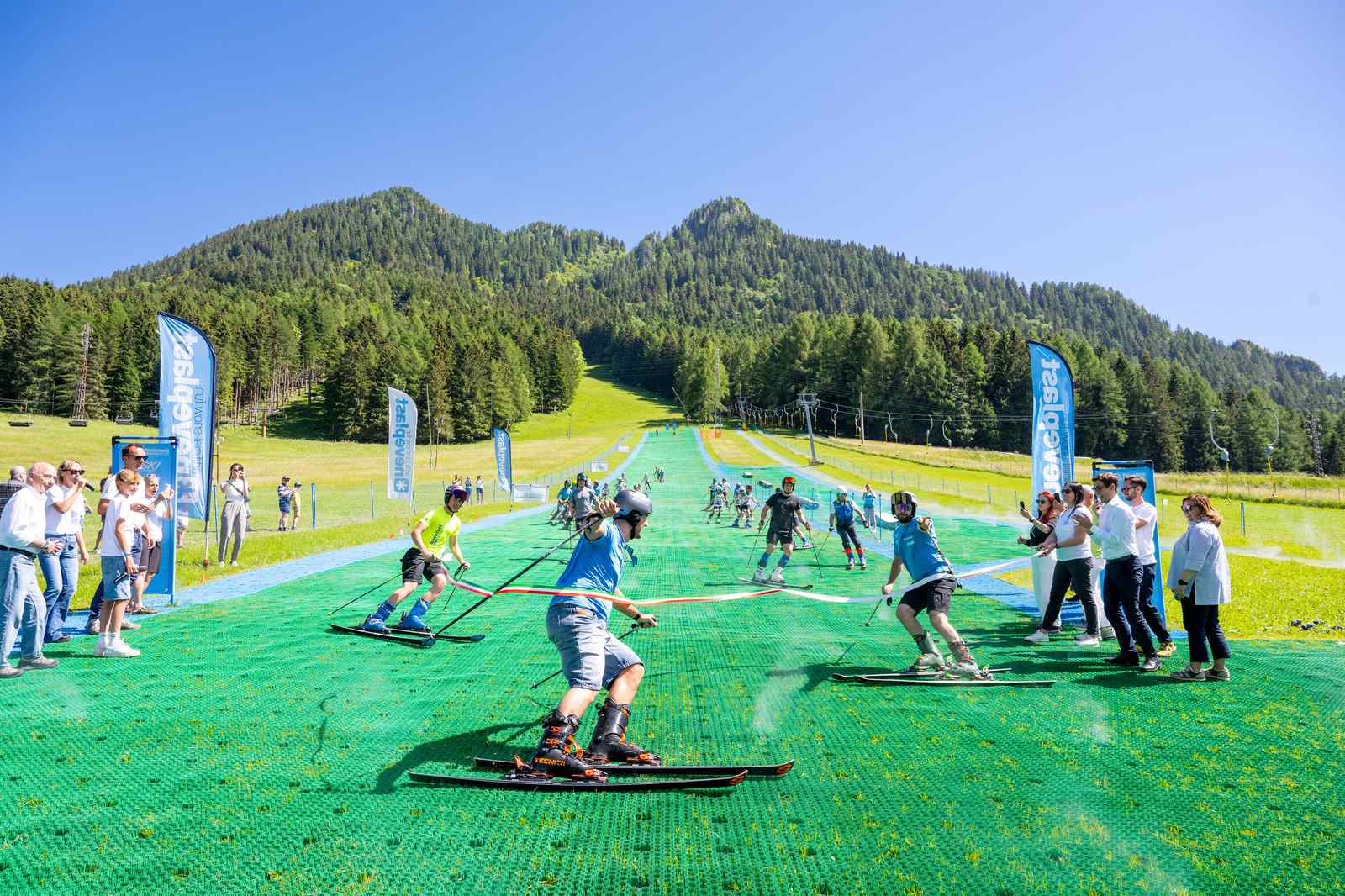
A year-round dry ski slope turns a seasonal mountain business into a destination that operates every day of the calendar. The idea is simple but powerful: instead of depending on natural snowfall or energy-hungry snowmaking, the piste is surfaced with a synthetic ski mat that lets skis and snowboards glide exactly as they would on compacted snow. This is how summer skiing without snow becomes possible, and why operators increasingly ask how a 365-day ski area is organised and how it actually functions.
The experience feels natural because the surface is engineered for real edge grip and carving. Skiers use their own equipment, lifts run as usual, and instructors teach the same technique they would in winter. The difference is continuity: lessons, training and leisure skiing continue through spring, summer and autumn.
How the slope is built: layout, gradients and lift
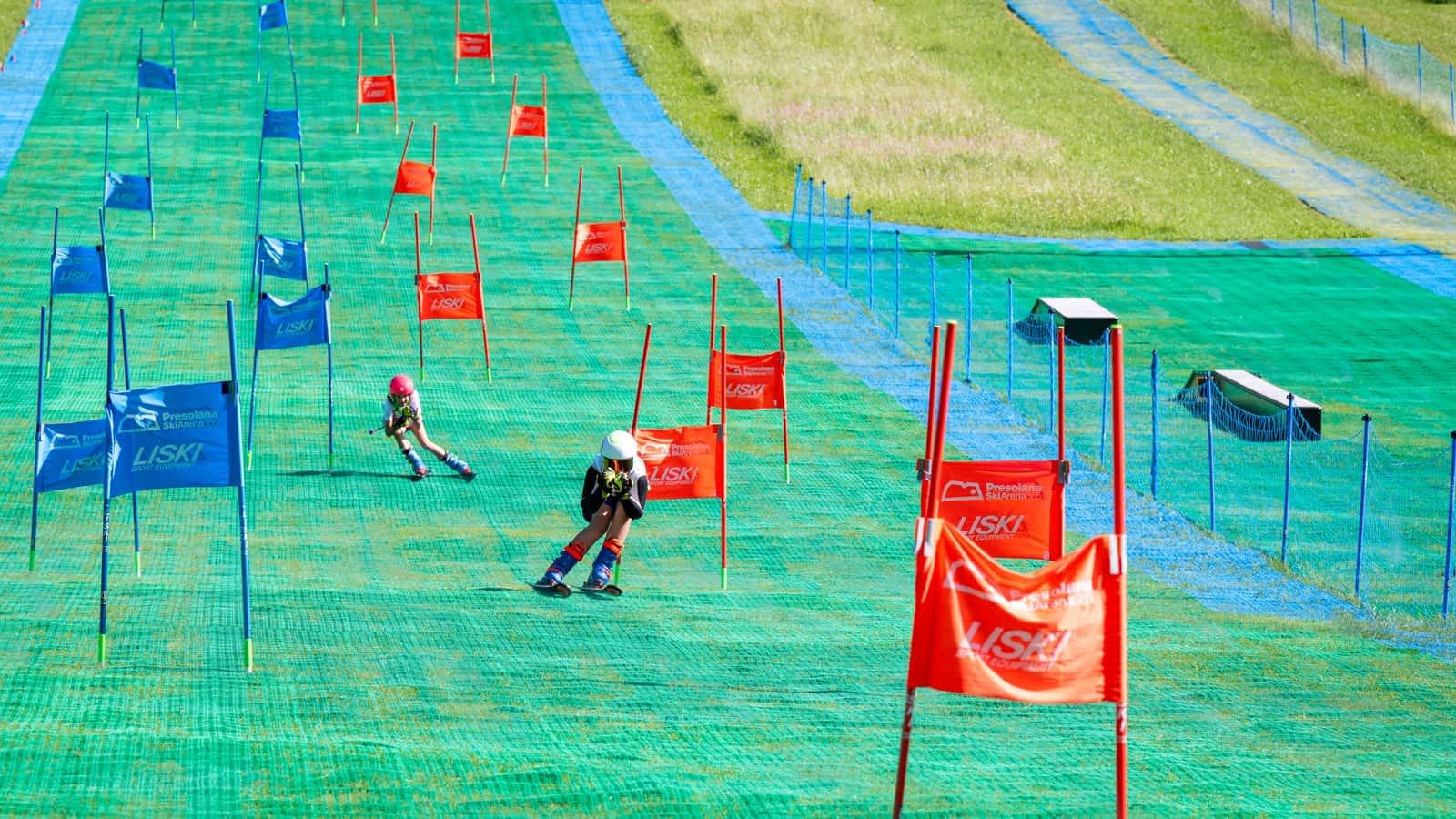
The heart of the project is a Neveplast synthetic ski slope laid over a prepared base that follows the natural contours of the terrain. A well-designed layout combines a gentle lower section for learning with steeper upper pitches for confident skiers, typically blending gradients from around 10% on nursery zones to 30% or more on the main descent.
Vertical drop is managed in modules so the slope stays progressive and safe. A surface lift carries skiers back to the top, closing the loop and keeping throughput high. Because the mat drains freely, the piste stays usable after rain, and maintenance is straightforward compared with a snow surface that must be regroomed and replenished.
The skiing experience: from beginners to competitive athletes
What makes this model work commercially is how many different users it serves on the same footprint.
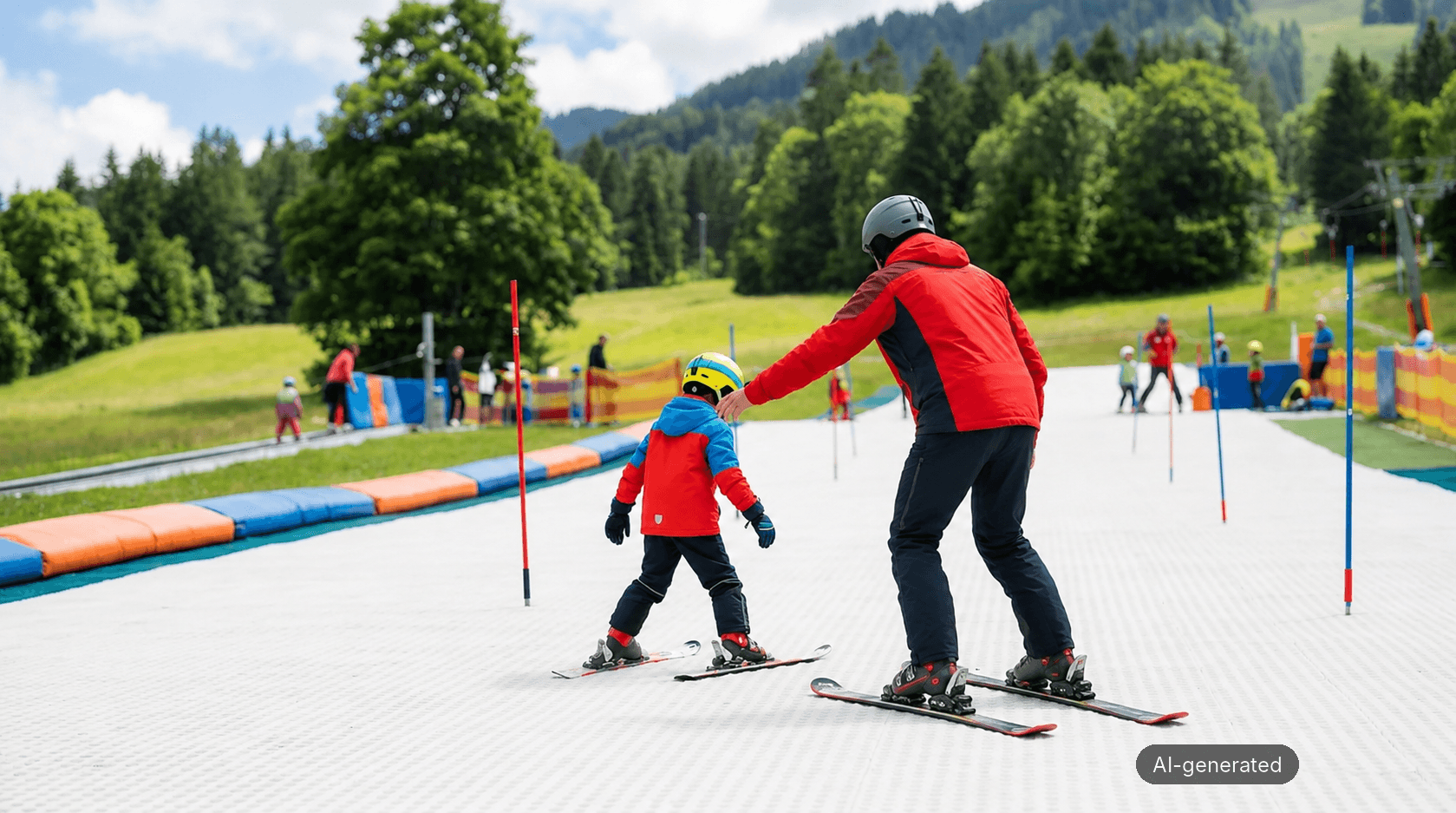
- Beginners and children start on a dedicated nursery area. A Skigarden provides a safe, gently graded teaching zone where first turns, snowplough and balance are learned without pressure.
- Ski schools gain a reliable venue that is bookable all year, so instructor calendars are no longer hostage to the weather and lessons can be scheduled months ahead.
- Competitive athletes use the main piste for off-season conditioning, gate training and technical repetition, maintaining form during months when snow is unavailable.
Everyone skis on familiar gear: standard skis or snowboard, boots, gloves, a helmet and comfortable sportswear in layers. On warmer days lighter clothing works well, while long sleeves and gloves protect against friction during falls.
The attractions alongside the slope
A 365-day ski area rarely lives on skiing alone. Adding family attractions widens the audience and smooths visitor flow across the week. Two solutions complement the main piste particularly well:
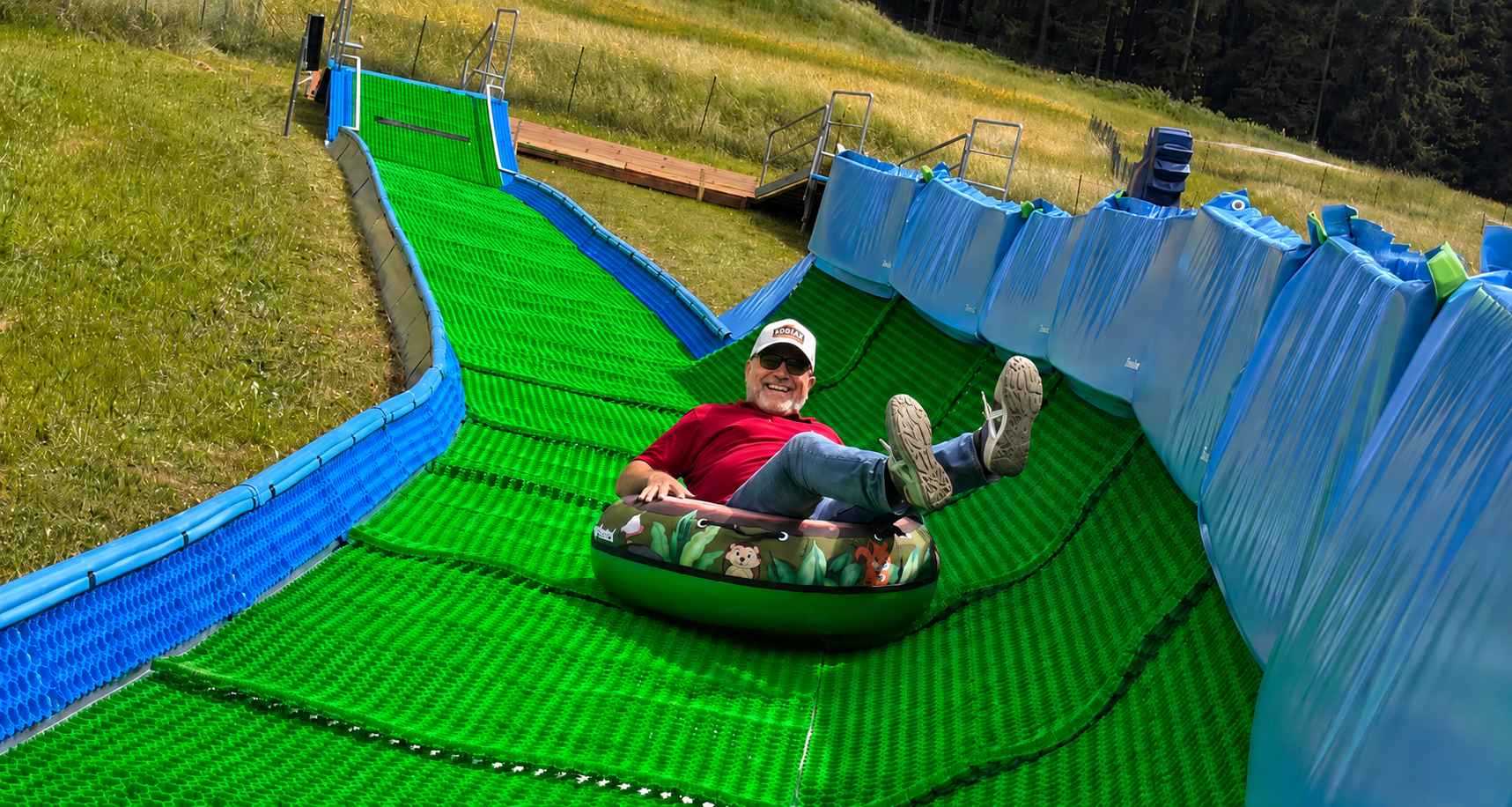
- Tubby snow tubing lets visitors of all ages slide down dedicated lanes on inflatable rings, a crowd-pleaser that needs no skill or special equipment.
- Skiddy brings a kart-style descent on synthetic surface, adding a fast, accessible thrill that appeals to groups, teenagers and non-skiers.
Together these attractions transform a single slope into a mountain leisure hub, turning a quick visit into a full day out.
What other operators can learn from this model
The replicable lesson is that a synthetic surface decouples a ski business from snow risk. Revenue is no longer compressed into a few winter weeks: schools teach continuously, athletes train off-season, and families return for tubing and karting. Infrastructure is modular, so a project can start with a nursery zone and scale into a full piste as demand grows.
For any operator planning a year-round ski area, the priorities are a progressive layout, an efficient lift loop and a mix of attractions that broaden the audience. Each site has its own terrain and goals, so the most reliable next step is a tailored feasibility study and a project designed around your specific slope. Talk to Neveplast for a bespoke proposal.