Tubing Hills for Amusement and Adventure Parks: How to Build an All-Season Attraction
Why a Tubing Hill Belongs in Modern Amusement and Adventure Parks
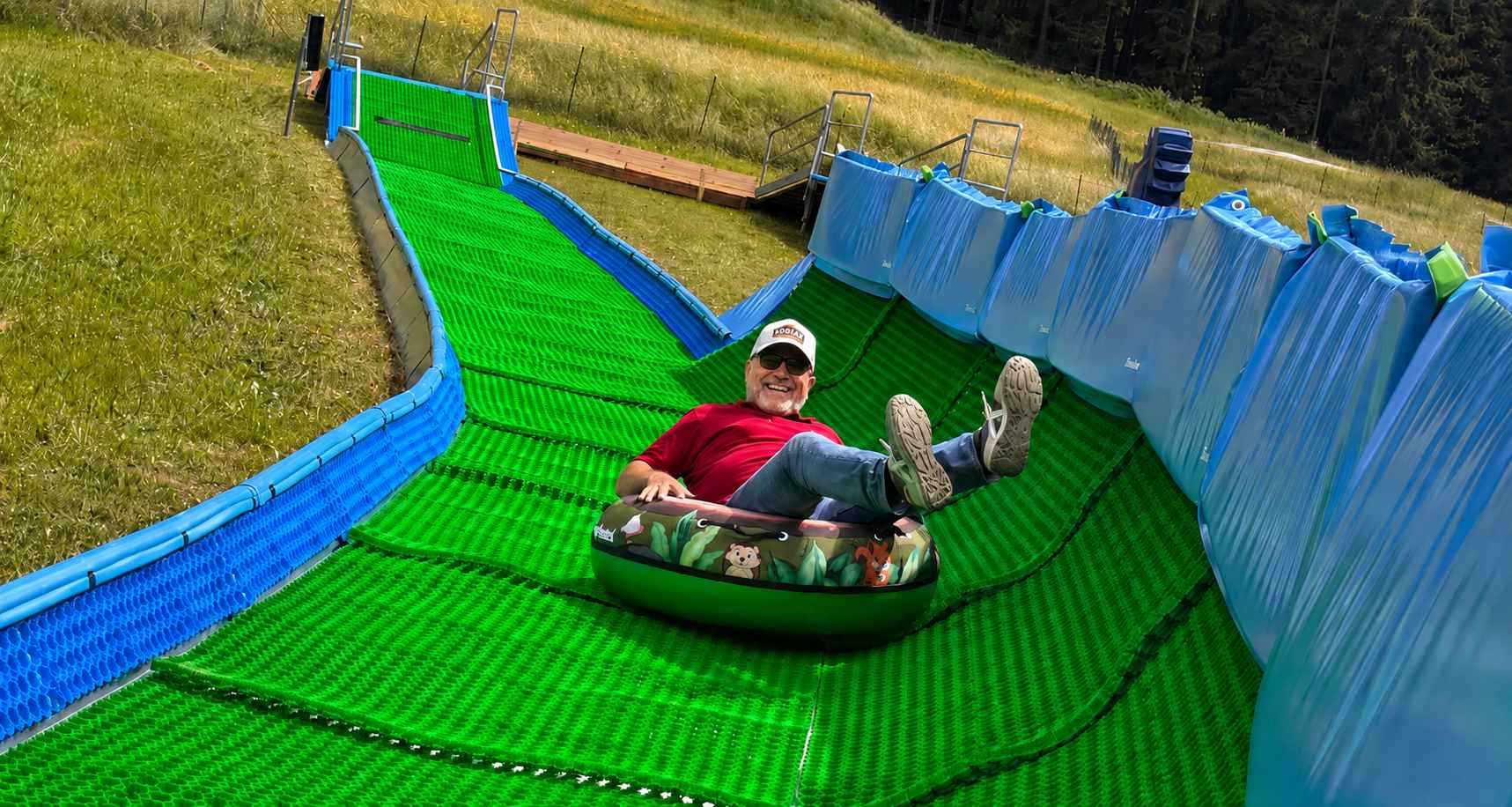
A tubing hill is one of the most reliable crowd-pleasers an operator can add to an amusement or adventure park. Guests slide down a smooth lane on an inflatable tube, reaching an exciting speed with almost no learning curve: children, families and groups can all ride within minutes of arriving. Unlike attractions that require training or strict height tiers, a well-designed tubing lane welcomes nearly everyone, which translates into longer dwell times and higher repeat visits.
The real strategic advantage, however, is seasonality. A synthetic tubing track built with the right surface operates in summer heat just as smoothly as in winter, letting you sell tickets 12 months a year instead of only during snowfall. That consistency is what turns a seasonal novelty into a core revenue stream.
Snow Tubing vs. All-Season Tubing Tracks
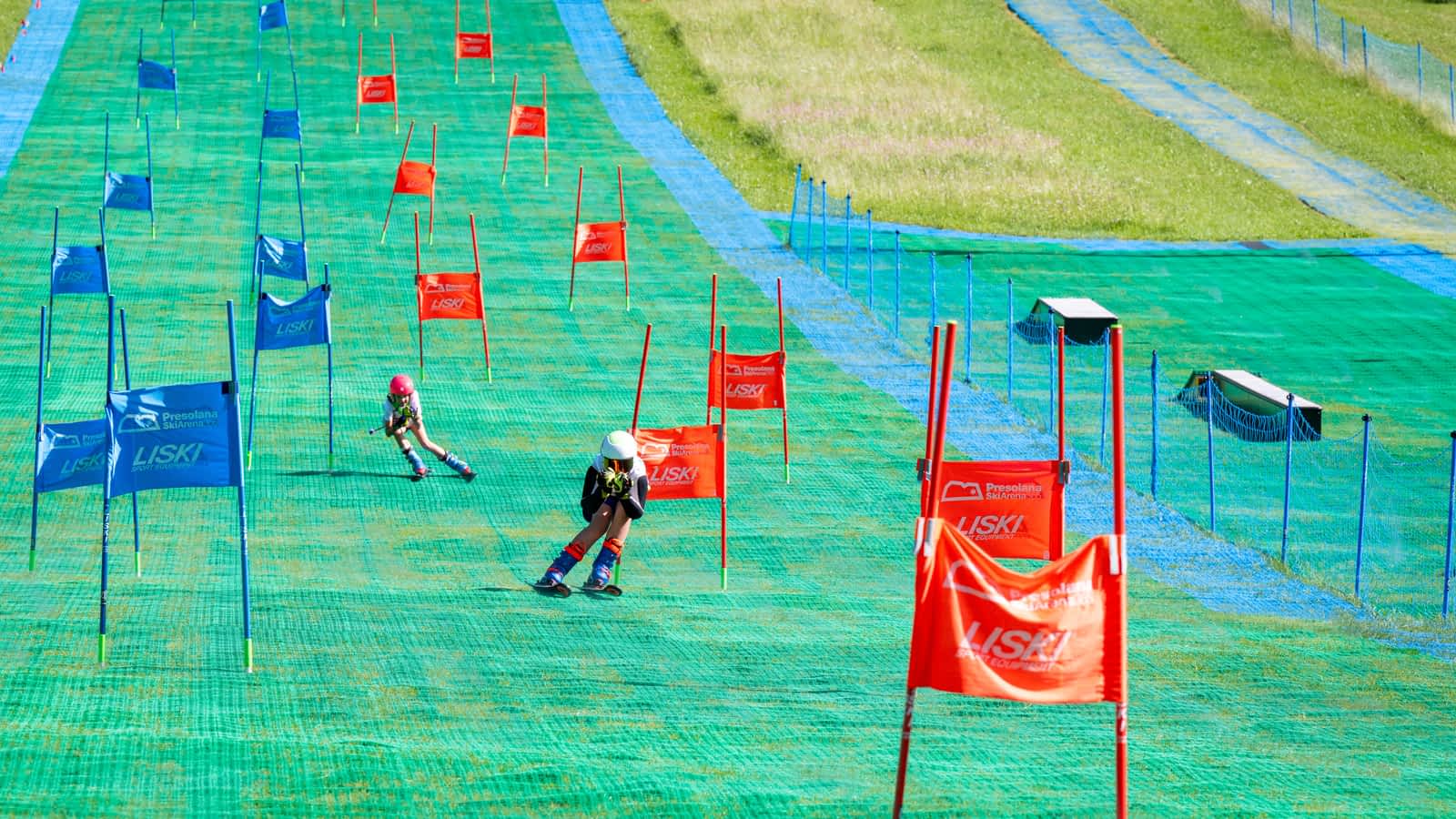
When planning the attraction, the first decision is the surface. Natural snow tubing depends entirely on weather and grooming, while a dry synthetic lane removes that uncertainty. Many operators choose a hybrid approach: a permanent synthetic base that performs year-round and can still be covered with snow in cold months for a traditional look.
Designing the Lane: Length, Slope and Layout
A great ride depends on balanced geometry. Too shallow and tubes stall; too steep and the experience feels unsafe. As a practical starting point, many park lanes combine a steeper acceleration zone with a gentle run-out that lets tubes decelerate naturally before the braking area.
- Gradient: a working range of roughly 15% to 25% delivers thrill without compromising control.
- Lane length: longer slides increase perceived value; even a 40–80 metre run creates a memorable descent.
- Run-out zone: always plan a flat or counter-sloped deceleration area at least several metres long.
- Multiple lanes: parallel lanes let friends race side by side and dramatically raise hourly capacity.
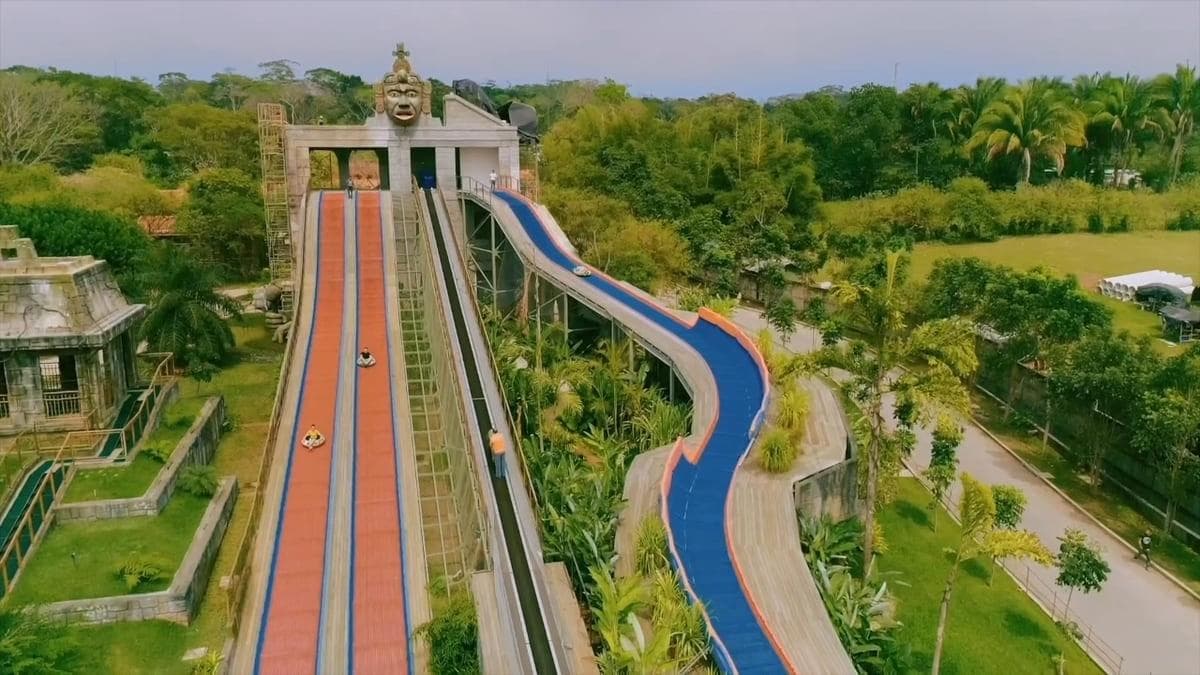
An uphill conveyor or lift is strongly recommended. Carrying a tube back up a hill is tiring and limits throughput; a moving walkway keeps guests moving, increases rides per hour and makes the attraction accessible to a much wider age range.
Safety and Guest Flow
Safety is both an ethical duty and a commercial asset: confident guests ride more and recommend more. The strongest safety outcomes come from the layout itself rather than from staff constantly intervening.
- Separated zones: keep the loading area, sliding lanes and return path clearly divided.
- Controlled starts: a dispatch operator or timed gate prevents collisions by spacing out each descent.
- Padded boundaries: soft side barriers along the lane contain the tube and reassure first-time riders.
- Clear signage: simple rules on seating position, group size and holding on reduce incidents.
Good flow management is what distinguishes a profitable attraction from a congested one. Short queues, a smooth lift and fast re-dispatch mean more rides sold per hour and a better reputation online.
Planning for Year-Round Revenue
Because a synthetic tubing hill runs regardless of the forecast, it integrates beautifully with existing park assets. Pair it with evening lighting for after-dark sessions, theme the loading area to match your park identity, and sell timed or group packages to smooth out peak demand. Birthday parties, school outings and corporate team events all map naturally onto a repeatable, easy-to-supervise ride.
Maintenance is straightforward: a periodic inspection of the surface, fixings and braking zone keeps performance consistent, while durable synthetic materials are engineered to withstand intensive daily use and sun exposure.
Turning the Concept Into a Project
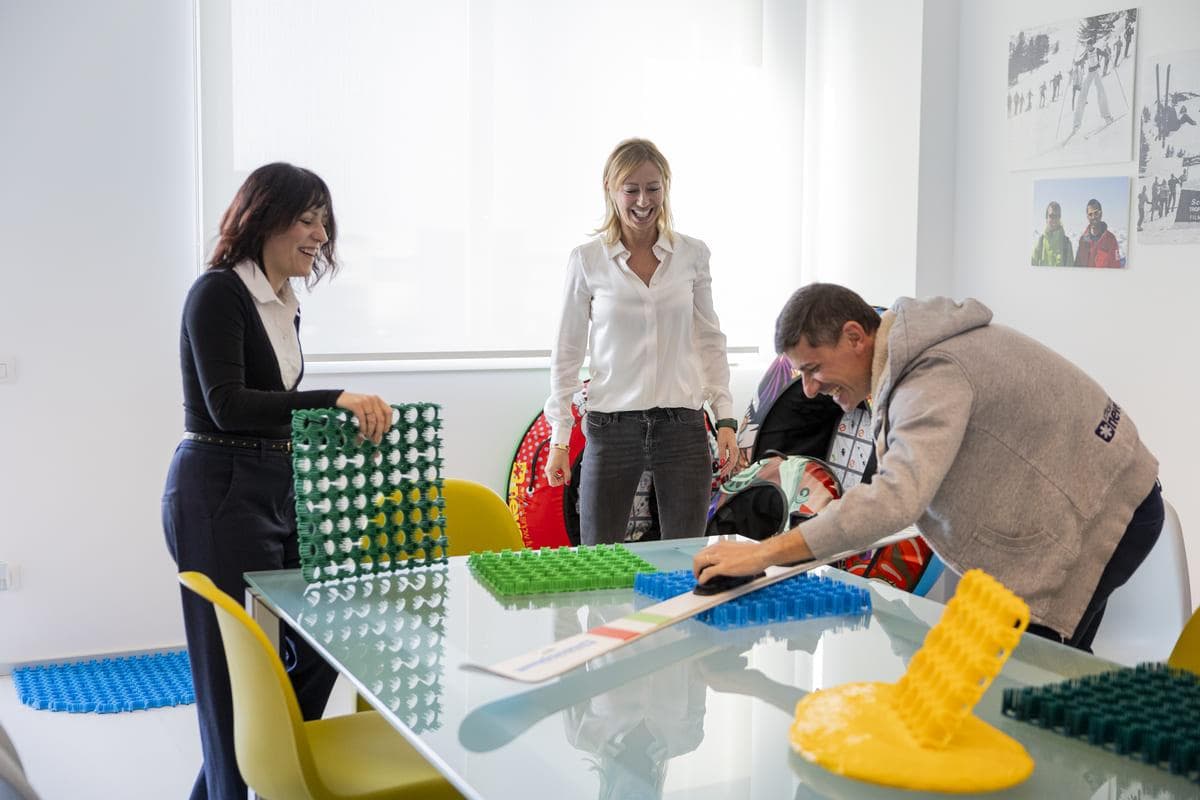
Every site is different — terrain, available footprint, target audience and traffic goals all shape the ideal configuration. The most effective tubing hills are engineered around these specifics rather than installed from a one-size-fits-all template. Neveplast works with park operators to study the slope, recommend lane count and layout, and specify the surface and safety systems best suited to each location.
If you are evaluating a tubing attraction for your amusement or adventure park, the smartest next step is a tailored feasibility assessment. Contact Neveplast for a custom project and discover how a year-round tubing hill can become a signature experience for your visitors.