
Dry Ski Slopes: The Origins and Evolution of Artificial Skiing Surfaces
What Is a Dry Ski Slope?
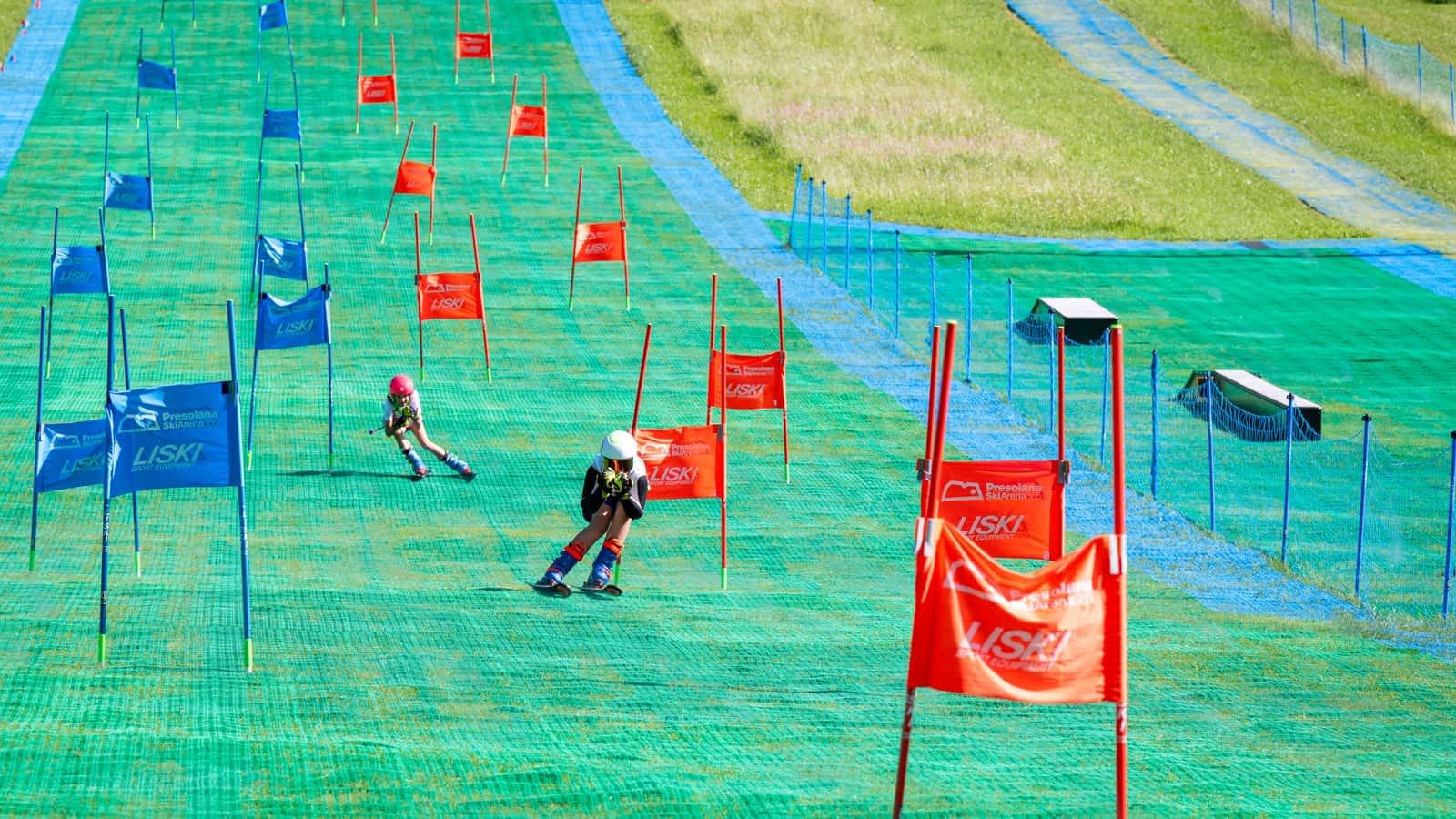
A dry ski slope is a surface built to replicate the glide of snow using synthetic materials rather than frozen water. It lets skiers and snowboarders train, learn and have fun without natural snowfall, in any season and in almost any location. Also known as an artificial ski slope, it is engineered for controlled sliding, grip and safety.
Below we trace how these surfaces came to exist, how they have transformed over the decades, and where the technology is heading next.
The Origins: Why Artificial Ski Slopes Were Invented
The idea of skiing away from the mountains took shape in the mid-20th century. Enthusiasts wanted to practise technique during the off-season and introduce the sport to people living far from alpine resorts. The earliest answer was the brush and bristle surface: dense tufts of plastic filaments arranged like an upturned broom, laid over sloped ground.
So who invented the first artificial slopes? There is no single inventor, but rather a wave of engineers and ski clubs across Europe and beyond who experimented with bristle matting in the 1950s and 1960s. These pioneering installations proved the concept worked, allowing skis to slide and edges to grip.
Why the Old Surfaces Were So Abrasive
Early bristle and brush mats had a reputation for being harsh. The stiff, widely spaced filaments created friction points and left little margin for error on a fall. A tumble often meant scrapes and burns, and the surface demanded near-constant water spraying to reduce drag. These limitations were the very reason the technology kept evolving.
The Generations That Followed
Artificial skiing surfaces advanced through several distinct phases, each solving the weaknesses of the last:
- Knitted and woven mats: more flexible than rigid brush, offering a slightly softer landing but still relying heavily on lubrication.
- Interlocking plastic tiles: hexagonal or square modules that could be laid like a puzzle, improving installation and repair.
- Polyethylene modular systems: the modern standard, using precisely engineered polymer elements designed for smooth glide, consistent grip and durability.
This progression shifted the experience from "usable but rough" to a feel that closely mirrors real snow. It is exactly this leap that defines today's specialist manufacturers.
How Modern Dry Ski Slopes Work
A contemporary artificial ski slope is a layered system, not just a surface. What differentiates a modern slope from its abrasive ancestors comes down to several engineered details:
- Glide: advanced polyethylene profiles allow skis and boards to slide realistically, with or without water lubrication depending on the system.
- Safety: softer, denser structures reduce abrasion on contact, making falls far more forgiving.
- Drainage: open modular designs let rainwater pass straight through, so the surface stays usable.
- Sub-base: a prepared, cushioned foundation provides stability and absorbs impact.
Companies such as Neveplast have built on this engineering, developing synthetic ski slopes and modular polyethylene surfaces that bring the sliding sensation much closer to natural snow while prioritising rider safety.
What Changed for Those Who Operate a Slope
The modern surface did not just improve the skiing feel — it transformed how facilities are run. A well-built artificial slope can operate 365 days a year, independent of weather or altitude. That reliability has opened up new possibilities for operators:
- Year-round ski schools that teach fundamentals before clients ever reach the mountains.
- Leisure and adventure parks that attract families throughout the seasons.
- Dedicated beginner areas, such as the Skigarden concept, designed to make first turns gentle and confidence-building.
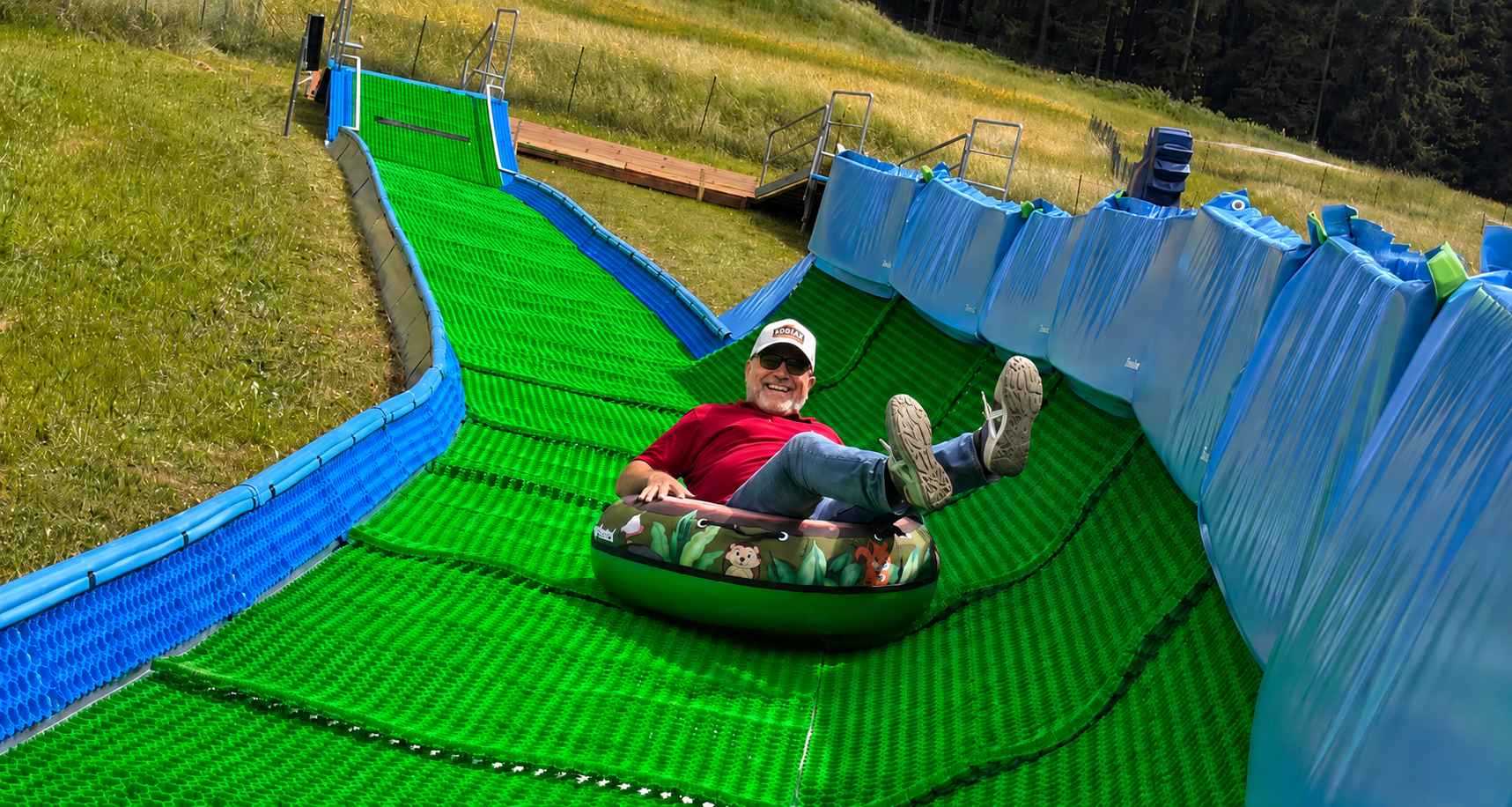
- Recreational tubing runs that broaden the appeal beyond dedicated skiers and welcome a wider public.
This versatility illustrates how a single technology has branched into multiple applications, each tailored to a different audience and purpose.
What to Expect in the Coming Years
The direction is clear: surfaces that feel ever closer to real snow, with lower environmental impact and reduced reliance on water. Expect smarter modular designs that are quicker to install and maintain, more sustainable polymer formulations, and hybrid facilities that blend skiing, tubing and family entertainment in one venue. As the technology matures, the line between natural and artificial ski slope experiences will continue to blur — making the sport accessible to more people, in more places, all year round.