Dry Ski Slope Mistakes: 7 Costly Errors to Avoid in Real Projects
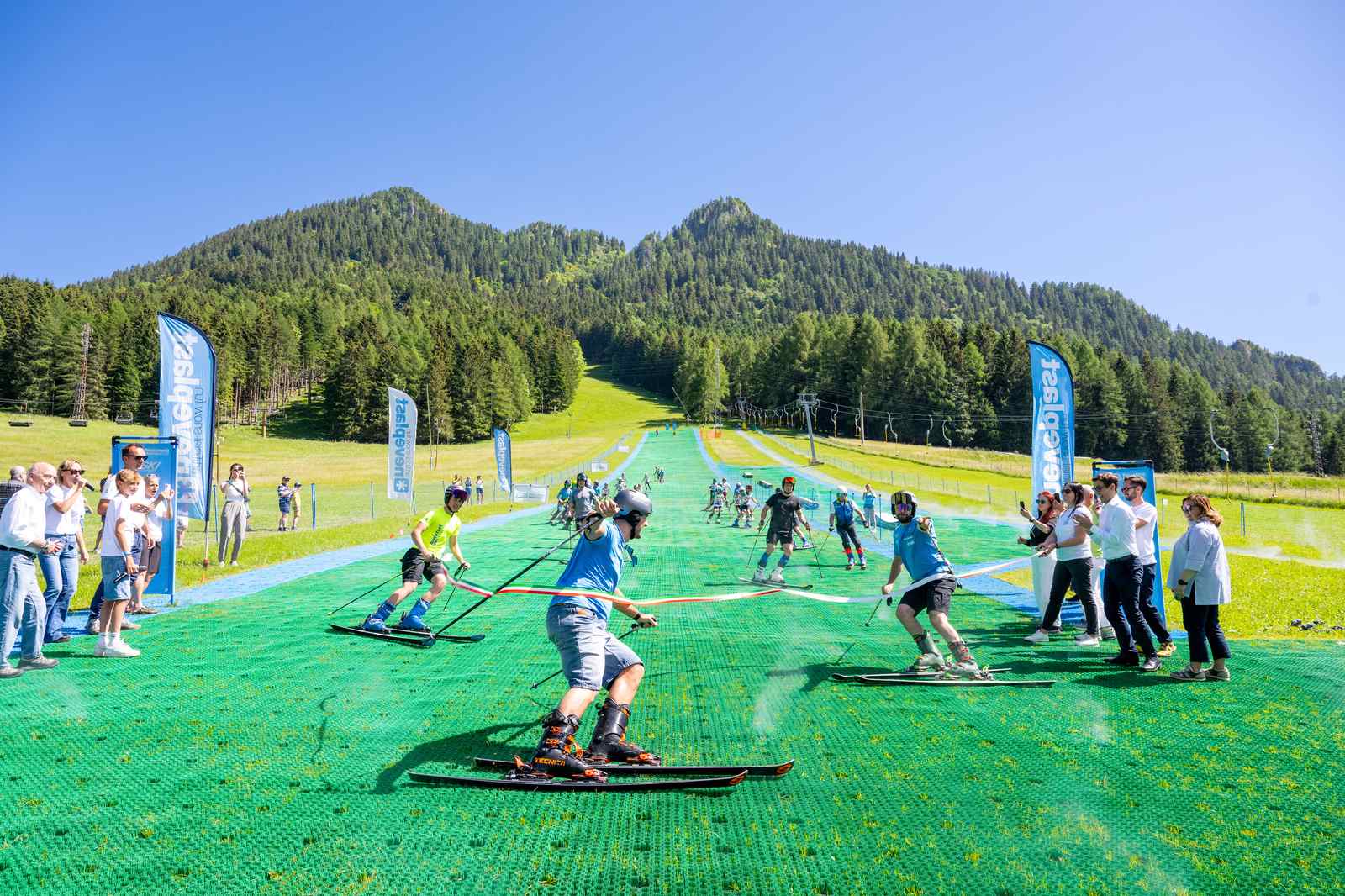
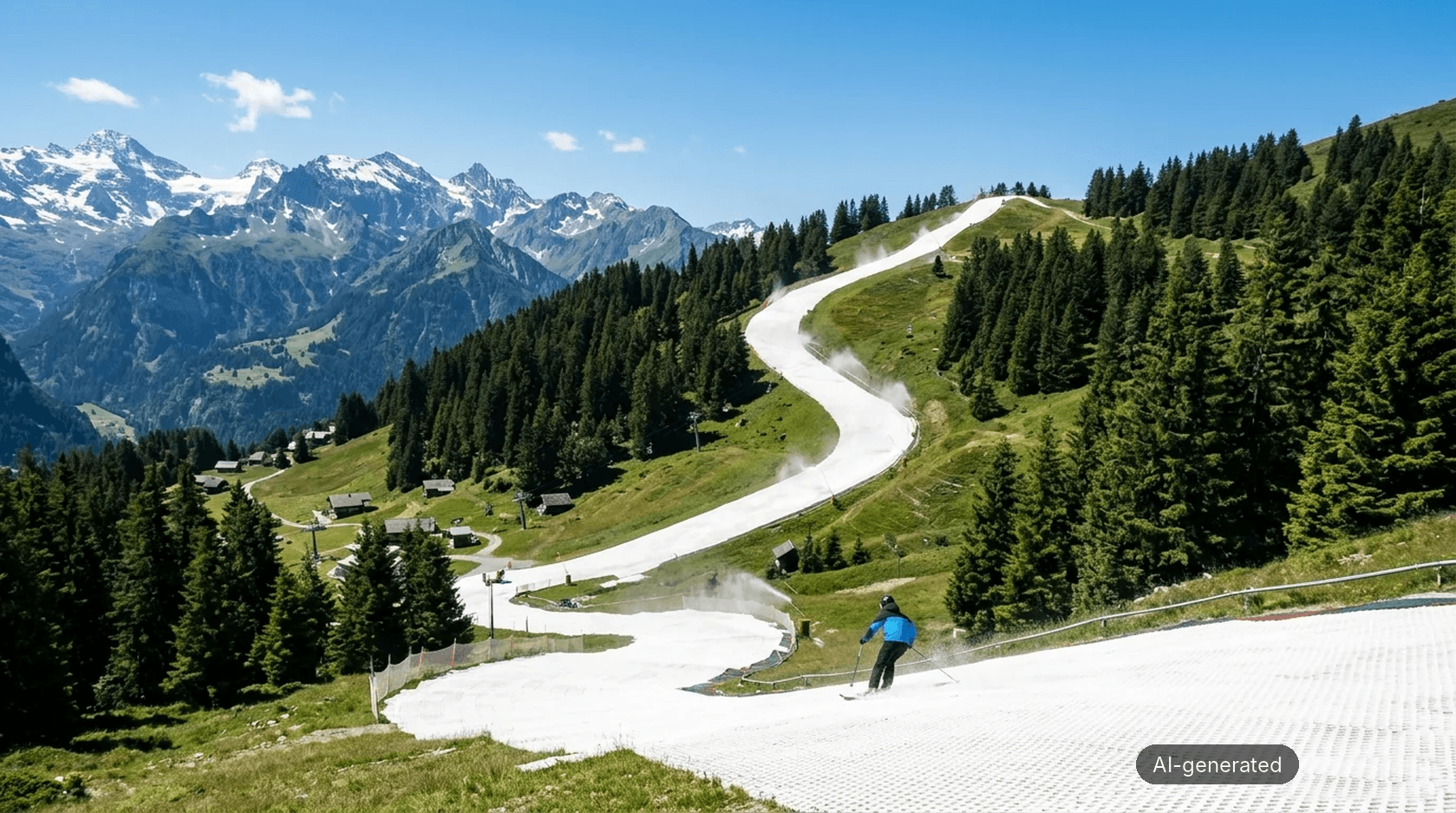
An artificial ski slope (often called a dry ski slope) is a surface of synthetic modules engineered to replicate sliding on snow all year round. Skiers and snowboarders glide on it without any natural snowfall, making it a reliable training and leisure facility in any climate.
On paper the concept is simple. In practice, a dry ski slope is a system of surface, subbase, drainage, uplift and safety zones that must all work together. When one element is overlooked, the whole project underperforms. Below are the seven mistakes we see most often in real builds, each with its symptom, cause and fix.
The 7 artificial ski slope mistakes that derail projects
1. Getting the gradient wrong
Symptom: beginners accelerate out of control, or advanced users barely move.
Cause: a single gradient applied to the entire slope regardless of user level.
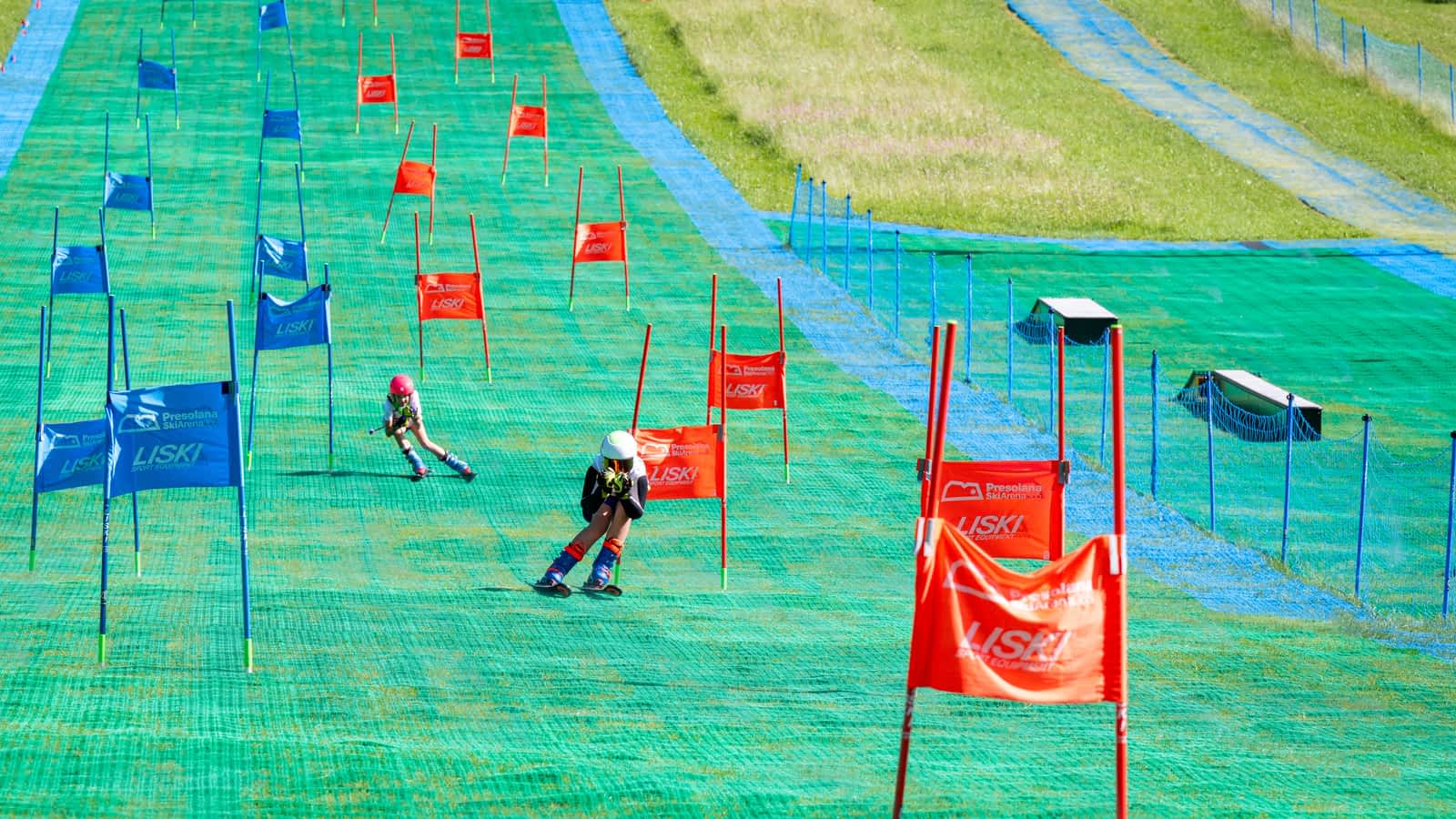
Solution: zone the incline. A Neveplast synthetic ski slope is modular, so gentler learning sectors and steeper performance sectors can be designed into one layout rather than forced onto a uniform pitch.
2. Skimping on the run-out (braking length)
Symptom: skiers reach the bottom still carrying speed and have nowhere to stop safely.
Cause: the flat deceleration zone is cut short to save space.
Solution: plan a progressive run-out proportional to slope length and gradient. The modular manto makes it easy to extend and flatten the braking area during design, before anyone skis it.
3. Ignoring drainage and subbase
Symptom: puddles, soft spots, waves and uneven sliding after rain.
Cause: the ground beneath the mats was treated as an afterthought.
Solution: a compacted, well-graded subbase with proper drainage is non-negotiable. The surface is only as flat and durable as what sits under it, so specify this at ground-works stage, not after installation.
4. Sloppy module joints
Symptom: edges that catch skis, lift at the corners or create visible seams.
Cause: modules laid out of alignment or without a consistent fixing method.
Solution: use an interlocking modular manto with a defined laying pattern. Correct jointing keeps the running surface continuous and removes the ridges that cause falls.
5. Forgetting irrigation and lubrication
Symptom: high friction, slow sliding and faster wear on hot, dry days.
Cause: no misting or water system was included.
Solution: integrate an irrigation line from the start. A lightly dampened surface slides better and lasts longer, and the pipework is far easier to route before the modules go down.
6. Undersized uplift and beginner zones
Symptom: queues, exhausted first-timers walking back up, and poor retention.
Cause: the learning area and its return system were squeezed into leftover space.
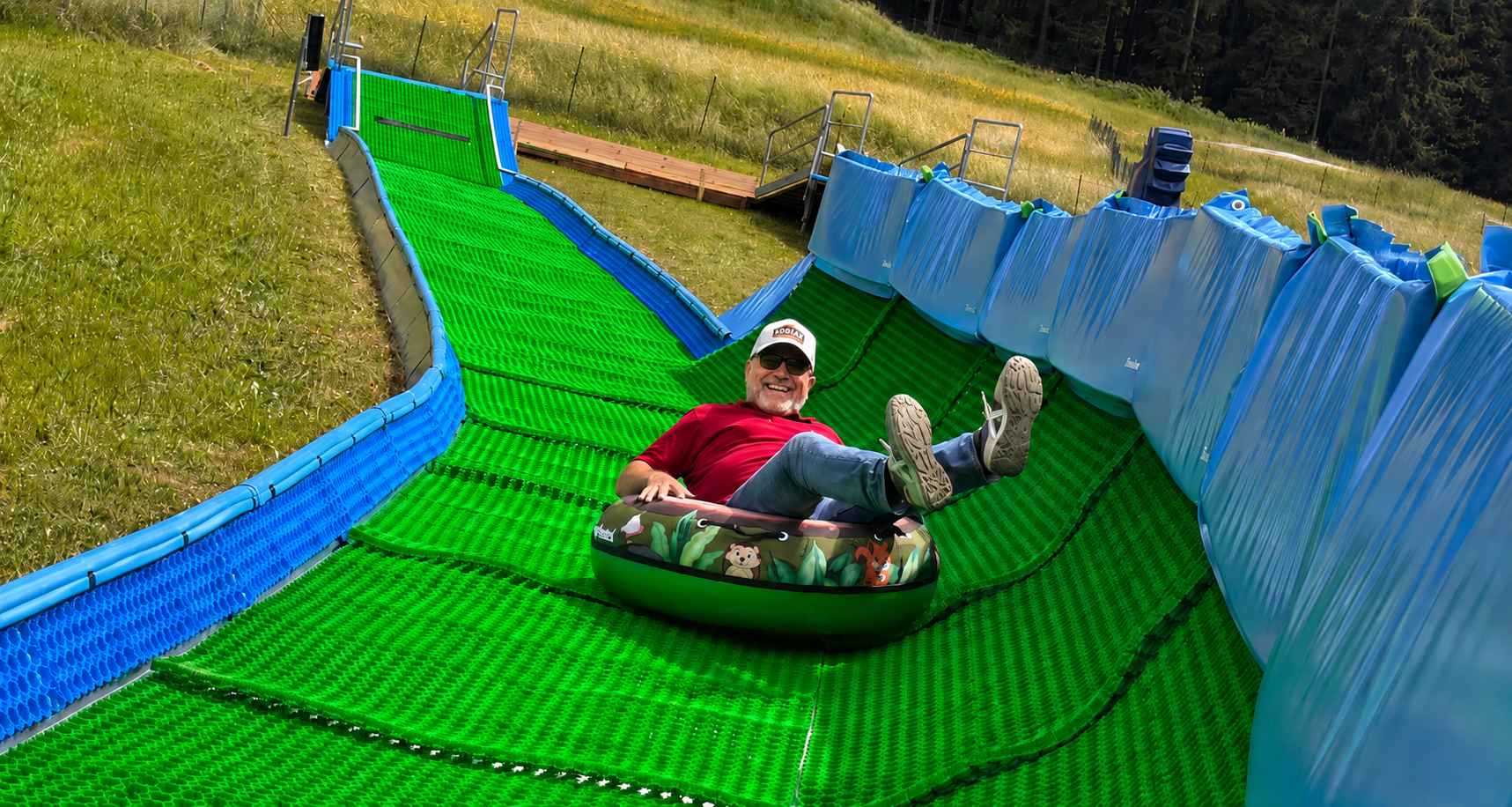
Solution: design dedicated beginner infrastructure. The Skigarden concept creates a safe, graduated learning field, while beginner uplift carpets and lifts carry users back to the top without effort—turning first lessons into repeat visits.
7. No maintenance plan and unprotected edges
Symptom: frayed perimeters, exposed fixings and a surface that ages unevenly.
Cause: maintenance and edge protection were never scheduled or budgeted in time.
Solution: specify perimeter protection and a simple routine inspection schedule from day one. Protected borders and planned checks keep both the skier and the investment safe.
Wondering which surface technology suits your project? See our internal guide comparing bristle, mesh and polyethylene tile systems for the full breakdown.
FAQ
Can one artificial ski slope serve both beginners and advanced skiers?
Yes. With a modular surface you can design distinct gradient zones, pairing a gentle learning field such as a Skigarden with steeper performance sectors on the same site.
Why does drainage matter so much on a dry ski slope?
Because standing water deforms the subbase over time, creating uneven, unsafe sliding. Good drainage protects both the surface geometry and its lifespan.
Is irrigation always necessary?
An irrigation system improves glide and reduces wear, especially in warm, dry conditions. It is far easier to install during construction than to retrofit later.